

Relate read, “Olympia Advocacy Day amplifies Spokane nonprofits’ calls for immigrant support“
By Caleb McGever | FāVS News Reporter
“Challenging” is how several Spokane refugee advocacy organizations described 2025. They expect the same for 2026.
The word appeared in year-end reflection posts by Spokane-based organizations including World Relief Spokane, Thrive International and Refugee and Immigration Connections Spokane.
The Trump-Vance Administration cast uncertainty on the lives of refugees throughout the United States by pausing decisions on asylum applications, ending temporary protected status from around a dozen nationalities and increasing immigration raids throughout the country.
The pause on adjudications for refugees of several different nationalities put them “in a state of limbo,” Sam Smith, director of immigrant legal aid at Spokane’s Manzanita House, said.
Smith explained that, due to the federal changes, some refugees were told they were not able to continue their application process despite going through multiple stages of security vetting.
Application difficulties like this cause more than just logistical confusion. They can cause emotional hardship and real distress.
Refugees whose applications were put on pause are “sitting here in a state of limbo, not knowing what’s going to happen, if there’s going to be some negative action taken on their case, some further threat to their ability to remain in the United States,” Smith said.
“It contributes to a culture of anxiety and fear,” Smith said.
Legal challenges and refugee support systems
Lutheran Community Services Northwest is a faith-based organization that runs a foster care program for unaccompanied refugee minors. During the Trump-Vance’s year of tumultuous legal changes for refugees, the program saw an increase in inquiries to be foster parents, but a decrease in actual placements.
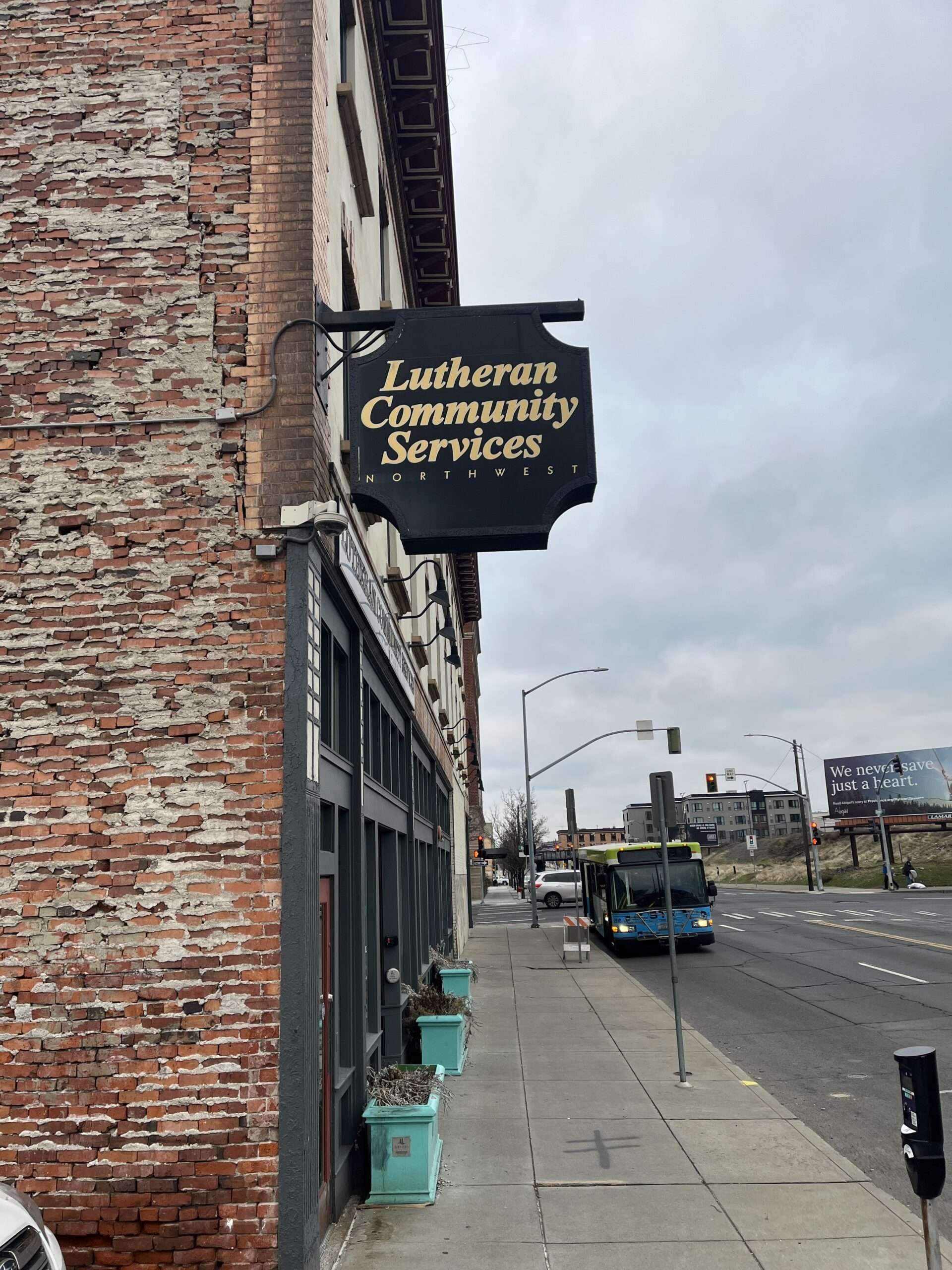
Shelly Hahn, LCS’s Northwest district director, said some people decide the process is too hard or have things in their own lives come up that cause them to withdraw from being a foster parent.
However, she said the newly-added legal difficulties likely played a role in the lower numbers of foster parents.
“I think there’s some anxiety for folks who are interested in fostering regarding the rhetoric that’s going around and the concerns related to how it could impact their life with the legal components,” Hahn said.
Fear of the administration’s uptick in immigration raids also dissuades people from involvement in the program.
“They worry that ICE or someone is going to show up at their home or that they might actually be putting a youth at risk,” Hahn said.
Hateful, anti-immigrant language used by Trump and other officials also contributes to people’s decision making, Hahn said. She said some people might have started inquiring about the foster program as a reaction against the hateful rhetoric towards refugees, even if they were ultimately influenced away from the program due to the fear.
“I think the hateful rhetoric kind of encourages engagement, but then there’s fear that also goes along with that as well,” she said.
Impact on funding for advocacy groups
World Relief Spokane was stripped of federal funding in the first month of the Trump-Vance administration, creating a funding gap for the refugees the organization was serving at the time.
Christi Armstrong, executive director of World Relief Spokane, said she expected further uncertainty in government funding to continue.
“The contracts that we have right now are stable until Sept. 30 of this year, and then we don’t know. We’ve already gotten word that some of our contracts will be terminated,” Armstrong said.
The Trump-Vance administration’s cuts and delays to federal grants affect refugee services like World Relief, as well as nonprofits that provide housing, childcare and medical assistance to citizens and noncitizens alike.
World Relief Spokane is a faith-based organization that works to resettle refugees, provide resources and build community. It works alongside organizational partners to serve refugees in the community.
It used to carry out government contracts to resettle refugees, but the government hasn’t sent them any since January 2025, Armstrong said.
World Relief Spokane still serves other contracts for things like extended case management. Armstrong said that partnerships with churches allows World Relief Spokane to give its clients even more resources.
“We have some ability, because of our partnerships with churches, to meet needs that are not covered through our contract,” she said. “We really appreciate those church partnerships because there’s lots of volunteer work that happens, and there’s no way we could meet those needs without those volunteers.”
Volunteers with World Relief work at the organization’s educational center, help people connect with medical services, drive people to appointments, do tutoring and play with kids.
“It takes a lot of pressure off our case managers to have those volunteers in place. They’re kind of like friendship partners,” Armstrong said.
Churches also played a key financial role for World Relief, supporting the needs of refugees when the federal government rescinded its funding.
Armstrong said in the first few months of 2025, World Relief asked its donors, church partners and others for help raising money to help refugees pay rent.
By the end of the fundraiser, “I think we put out about $35,000 to pay rent for people that would have been evicted if we hadn’t done that,” Armstrong said.
Faith communities collaborating with each other
Armstrong said World Relief Spokane’s focus for the future is to work even closer with churches.
“Let’s do everything we can possibly do with the church so that we can ensure that no matter what happens, [refugee and immigrant communities have] got relationships, they’ve got people, they’ve got places to go where they know that they’re loved and wanted,” she said.
Hahn said Lutheran Community Services Northwest, which was born out of the Lutheran Church, also works closely with local churches and pastors through events like its annual pastors lunch and by sending team members to talk with churches on Sundays.
Churches also support Lutheran Community Services by supporting foster parents in the program, giving food or monetary donations, bringing presents to yearly Christmas events and more, Hahn said.
Sun City Church, one of World Relief’s partner churches, runs two programs oriented towards serving refugees. It puts on a yearly refugee Thanksgiving dinner and it hosts a Monday night English learning club.
Andrea Clift, the local outreach coordinator for Sun City Church, said the church invites members of its own congregation, clients from its partner organizations like World Relief and anyone else who wants to come.
Both of Sun City’s programs began before 2025. Clift said the change in federal immigration policy and the politics of the issue did not change the way Sun City ran its programs.
“We are committed here to being a Bible-believing, Jesus-following church, and so we would take our blueprint and our framework for deciding what we do from the example of Jesus, and we see him in Scripture very clearly loving everyone, giving us the mandate to love God and to love our neighbor, and we would define our neighbor as anyone who is not us,” Clift said.
Next steps
Everyday functioning for refugees and immigrants is dangerous and difficult, Smith said.
“Participating in the daily activities of life has become so much more dangerous to them and their families, whether that is dropping their kids off at school, going to the laundromat, doing grocery shopping — these things are more difficult,” Smith said.
Manzanita House, where Smith works in legal aid, is not a faith-based organization, but is an organization that provides services and resources for immigrants and refugees.
Churches have the opportunity to lean in and continue to find ways to support the basic daily needs in the midst of these “more difficult” circumstances for refugees, Smith said.
He said churches can learn to support by connecting with community-based organizations and with faith-based organizations that are rooted in and led by immigrant communities.
“[Those communities] oftentimes have the best connections to those needs, are hearing those needs and know how to best deliver those goods to people who truly need them,” Smith said.
He also encouraged clergy to learn how to protect their congregations and their community through opportunities like ICE Rapid Response Trainings and Know Your Rights materials. Learning about immigration policy, the history of immigration enforcement in the United States and culturally informed ways to respond to needs are also important, he said.
“I think the first thing to do is to educate yourself, to really put yourself in a humble posture of learning from people who have different experiences from you,” Smith said.
“It’s really important to be having these conversations, especially if you’re in any regular community, faith-based or otherwise,” Smith said.
Never miss a story. Get the top headlines, breaking news, commentaries, and handpicked favorites delivered straight to your inbox every morning. Subscribe to our quick, free and informative FāVS News Daily Newsletter.

