

Listen to the audio version of this article (generated by AI).
Washington’s Jewish communities spend more on security as hate incidents remain high
Jewish communities in Washington are boosting security as antisemitic threats persist, with SAFE Washington expanding funding, training and law enforcement partnerships.
By John McCallum | FāVS News Reporter
When former FBI agent Lee Yates started work just over a year ago as the regional security advisor for the Jewish Federation of Greater Seattle, a friend related an observation to him about perceptions of Israel.
“Nobody likes that (Russian President Vladimir) Putin invaded Ukraine, but nobody is attacking Russians in the United States because of it,” Yates said his friend told him. “But Israel does something, and it’s almost an excuse (for violence).”
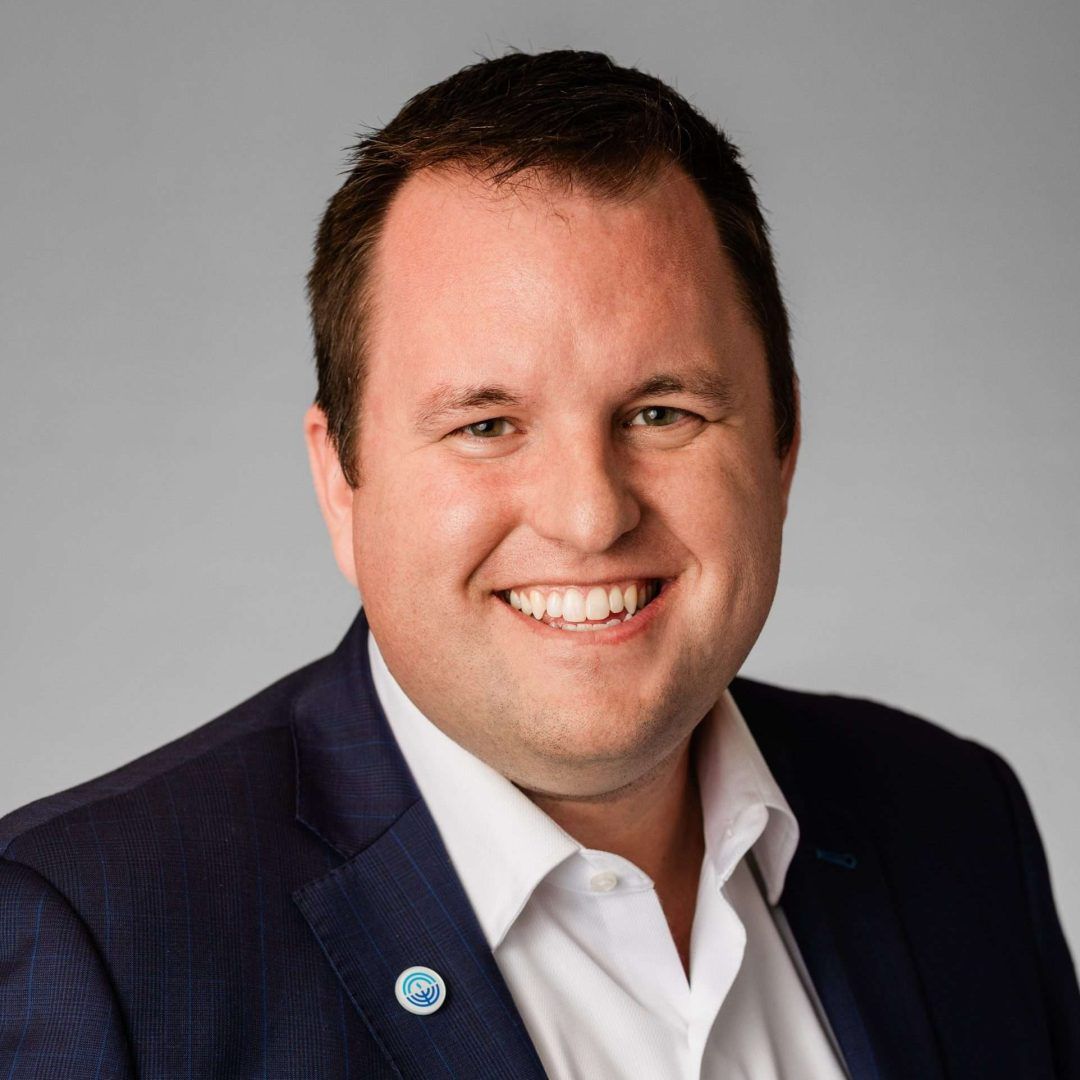
It’s one of the factors why the Jewish community is the most targeted group of hate incidents in the U.S. Federation President and Chief Executive Officer Solly Kane said Jews make up about 2% of the U.S. population, yet FBI statistics reveal they are the targets of about 70% of hate crimes.
These incidents lead to a desire for heightened security and continued vigilance.
It’s also one of the reasons the Federation is increasing funding this year for its SAFE Washington program to a record $2.25 million, nearly double the amount from the previous year.
Spending on safety demands
The program started in 2006 soon after a man walked into the downtown office of the Federation in the summer afternoon of July 28 and shot six women, one fatally.
According to the story in the Seattle Times, the gunman told police, “he was angry with Israel.”
The added funding for the Federation’s SAFE program was made possible by a 2025 partnership with Secure Community Network (SCN) — the “official safety and security organization for the Jewish Community in North America” founded in 2004. It assists over 50 national Jewish nonprofits, 146 Federations and 300 independent communities, according to its website.
Kane said Jewish organizations spend more annually on safety than most other organizations in the U.S. A 2025 letter sent to the House Homeland Security Committee’s Counterterrorism and Intelligence subcommittee by the Jewish Federations of North America stated the Jewish community spends more than $765 million annually on security expenses.
The expenditures account for about 14% of the annual budget of “a typical Jewish organization.”
“That’s a number that’s pretty unmatched,” Kane said.
Mike DeLand, board president of Spokane’s Temple Beth Shalom, said they have spent over $200,000 just on security upgrades for their South Hill facility. The Temple used to contract with a private security firm but in recent years has changed that to employing officers from the Spokane Police Department and Spokane County Sheriff’s Office.
“It’s a significant portion of our annual budget to have (security) officers present,” he added.
The JFNA letter also stated Jewish organizations view these costs as essential, noting 60% of Jews feel these precautions make them feel safer.
“They see the addition of police, security guards and hardening of buildings as the most effective (use of funds),” the letter stated.
“It (security) has to be a major concern,” DeLand said. “Partly because our members demand it and reasonably so.”
Kane said the added SAFE Washington funding comes at a time where, if not rising, hate incidents against Jewish communities remain high while concurrently economic resources are tightening.
“I’ve talked to some synagogues who say they are rationing their security,” he added.
Incidents of violent hatred
Antisemitic violence and rhetoric goes beyond facilities, finding its way into the writings left behind by those focused on other targets such as mosques, schools and shopping centers.
“Even when Jews or Jewish institutions are not the intended targets, antisemitic conspiracy theories and tropes frequently appear in attackers’ writings, online activity and motivations,” the Anti-Defamation League wrote in a June 24 news release after a shooter killed two and injured one Canada’s Cổte-des-Neiges neighborhood in Montreal.
The shooter, whose manifesto railed against a wide range of targets, also wrote that “Zionist Jews” are a corrupting influence on the Western world.
“Antisemitic beliefs are often a warning sign for broader extremist worldviews,” the ADL added.
That statement has been shown true in other incidents.
The two teens who attacked the Islamic Center of San Diego this past May 18 wrote a 75-page manifesto that featured hate-filled rants against Islam, the LGBTQ+ community, Hispanics and Blacks.
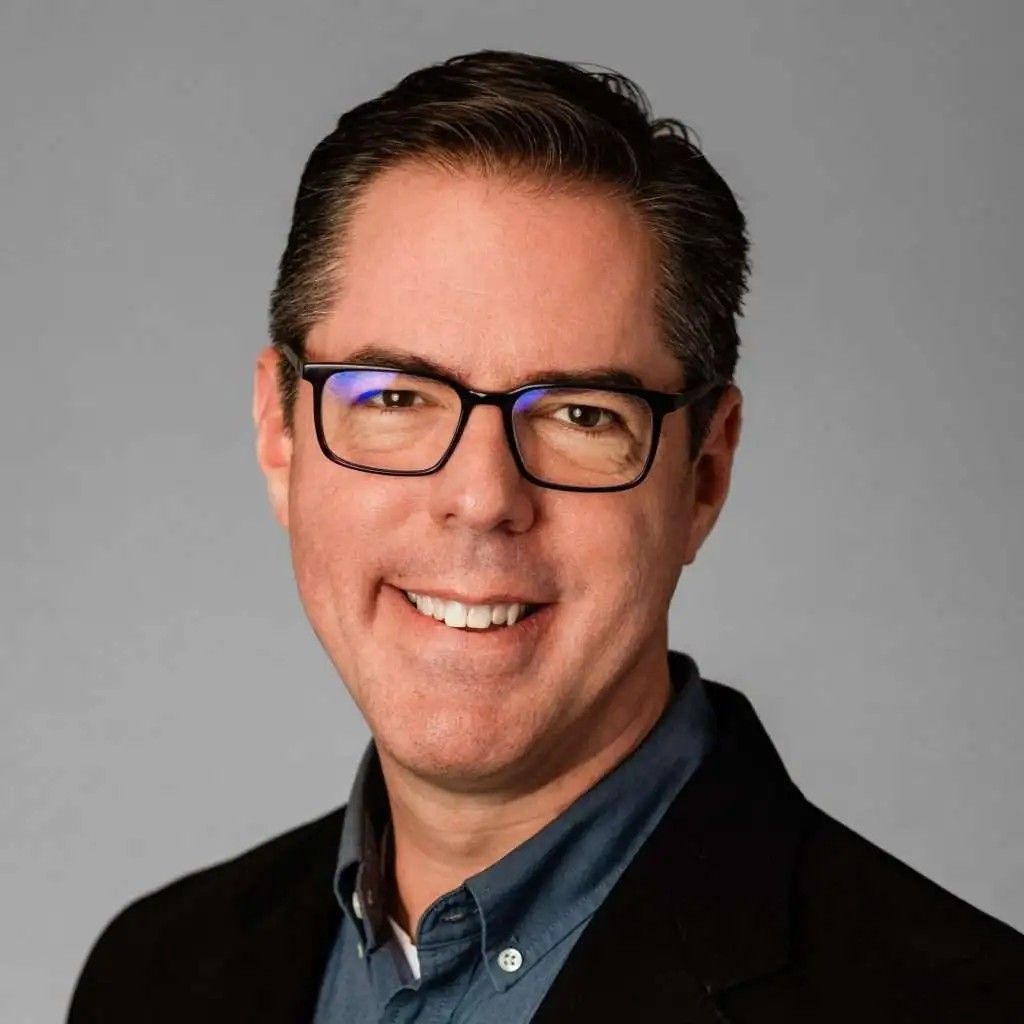
“At the end, they wrote ‘And also the Jews,’” Yates said.
Most hate incidents fly under the radar
According to the ADL’s “H.E.A.T.” (Hate, Extremism, Antisemitism, Terrorism) map there were 6,542 hate incidents in the U.S. in 2025. All but 293 were antisemitic.
Washington was the location of 173 incidents, with most of these occurring in Western Washington with its larger ethnically diverse community. Of these, all but 11 were antisemitic.
Some made the news, such as the Dayton 14-year-old male charged with eight crimes for an alleged plot to conduct a mass shooting in Kelso and several antisemitic incidents at pro-Palestinian rallies in Walla Walla.
Many antisemitic incidents across Washington went unnoticed and included swastikas defacing a Spokane Valley public library, a Spokane resident receiving a dollar bill bearing the message “It’s the Jews” and white supremacist groups distributing antisemitic stickers in Roslyn, Wenatchee and Moses Lake.
White supremacist groups also held events in Liberty Lake and Spokane, where White Lives Matter members displayed signs promoting white supremacist messages.
DeLand said for the most part Temple Beth Shalom hasn’t been targeted much with these incidents. In 2021, someone painted swastikas on the building, and there have been times when individuals have come to the synagogue that made some congregants feel uncomfortable.
“It has made us want to be more vigilant,” he added.
What SAFE Washington does
Helping to pay for some of that vigilance is what the Federation’s SAFE Washington program addresses.
Kane said the $2.25 million is a three-year program expansion to provide more Jewish congregations and nonprofits funding for security. While most of that is likely to be spent in Western Washington, Kane said funding is also available to Jewish communities outside the Puget Sound area.
Part of the funding enabled the Federation to hire Yates, a 30-year FBI veteran who spent 25 years in the Seattle field office as Special Agent for counterterrorism and counterintelligence. He also spent seven years supervising investigations into domestic terrorism and hate crimes.
Security centers on three pillars, Yates said: threat-awareness training, grant writing and relationships with law enforcement. Training draws on the FBI’s “Run/Hide/Fight” framework and includes “Stop the bleed” instruction, deescalation techniques and guidance for ushers and greeters on spotting problems while staying welcoming.
Grant applications require a professional needs assessment — Yates conducts walkthroughs and writes reports — plus volunteer work compiling building history and structural data, which DeLand’s team at Temple Beth Shalom handles.
Yates helps organizations with how to report incidents to police agencies, advise agencies of upcoming events that might attract antisemitism such as the Jewish High Holy Days while also setting up connections.
“If law enforcement hears of a specific threat to a community, they have a contact point in the Jewish community to reach out to,” Yates said.
Impacting congregational mission
While other religious and non-religious groups may also experience a need for security, Yates said it’s the Jewish community that sees the security needs more than others.
He was contacted by a group that wanted to hold Sabbat — Judaism’s day of rest — activities at a Bellevue splash park. They were wondering what safety precautions they needed to take to hold the activity in public, telling Yates that while there wouldn’t be any Jewish symbols displayed there would be singing in a different language — something that might attract unwanted attention.
“Most Jewish congregations spend a lot of time to game plan how to hold an event at a park,” Yates, who is Presbyterian, said. “Those are concerns most Presbyterian churches don’t have.”
Security needs can also drain resources. DeLand said writing security grants for Temple Beth Shalom takes a lot of the members’ time, which detracts from their ability to do things such as community outreach.
“I would love it if those people would be able to take their volunteer hours and put them somewhere else,” he said.
He added they have been particularly grateful for the support of pastors and members of other religious communities, especially when the level of antisemitism has risen because of some event such as the Oct. 7, 2023, Hamas attacks on Israel and that county’s subsequent invasion of Gaza.
“That means a lot because sometimes you don’t know where … anti-Judaism works,” DeLand said.
FāVS News uses professional journalists and thoughtful commentary to explore faith, values and ethics. Support journalism like this by making a tax-deductible donation. FāVS is a 501(c)(3) nonprofit. © FāVS News. All rights reserved. Reproduction permitted only to authorized media partners or with written permission.

