

By Lake Lust | FāVS News Reporter
Listen to this story

International students on American campuses immerse themselves in major changes — from a new culture to new weather patterns.
In Spokane county, where 46% of residents affiliate with non-denominational Christianity and another 14% identify as Catholic, they may also find themselves immersed in the novelties of American Christianity.
“It’s important because we learn by learning other people’s cultures, how to respect them and how to know their boundaries,” Nish Raje, an education abroad advisor at Eastern Washington University (EWU) and current student, said.
The United States is sometimes stereotyped as a “melting pot” of nationalities and religions — though critics argue this metaphor oversimplifies how different groups actually interact. On the Christian-dominant campuses of the Inland Northwest, many international students learn about religious diversity from each other. And because they often have separate orientations, club spaces and even dorms, they tend to stick together.
Multicultural conversations
“We are together because we are different from everybody here,” Niraj Pandey, a former International Student Senator of Whitworth University, said. “We don’t know what’s going on. Americans are strange, and we kind of bond over that.”
They also bond over the growing pains of cultural literacy, he said.
When Americans learn Pandey was born abroad, they often comment on his English proficiency. Being Nepalese, some have even asked if he’s ever climbed Mt. Everest.
“I’ll tell them I live there sometimes,” he said. “I’m like, yeah, I’ll climb it for the third time when I’m going back home.”
International students comprise 5.2% of Whitworth’s undergraduate population. At EWU, that figure is closer to 2.5%.
Just this year, Raje founded the EWU Global Friends Club, a group for international students whose 20-odd members identify with Islam, Buddhism, Hinduism, Christianity and other faiths. That diversity naturally leads to comparisons of religious practices.
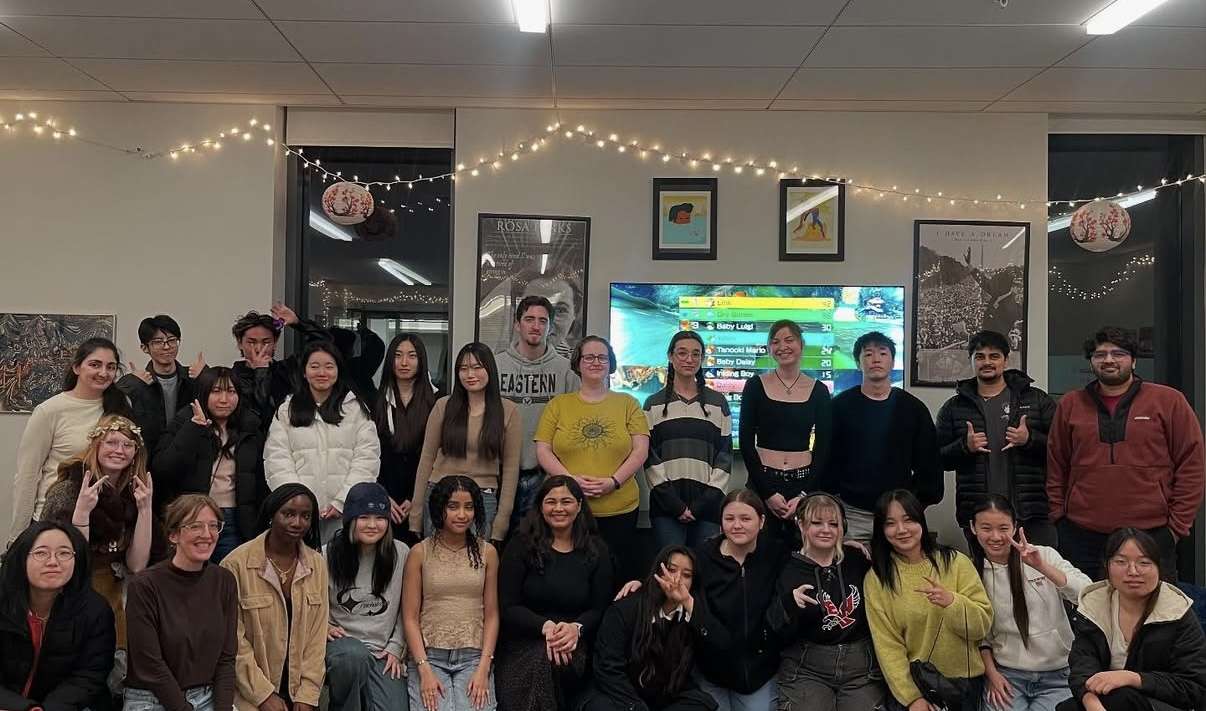
“The aim is to create a safe space, to have a community where you’re respected and welcome no matter what religion or caste or faith you believe in,” Raje said. “We’ll say, ‘Oh, in my religion, in my culture, we do this.’ While we’re sharing our own beliefs, I have never had to tell anybody to respect each other.”
Pressure and proselytization
By contrast, international students report a range of experiences with Christian groups. Many are welcoming, but pressure to convert is common.
Raje said preachers frequently visit the EWU campus to promote Christianity. In one incident, they alleged, a preacher continuously asserted that Allah — the Arabic term for God — is a Christian.
“That’s more about demeaning other cultures just to promote yours, which is not OK,” Raje said.
While religious outreach can create opportunities for international students to build community, some hesitate due to the culture of proselytization. Jamal Benhamou, an International Student Advisor with the EWU staff, said this can even affect one-on-one friendships.
“These students left their home countries, their families,” Benhamou said. “They’re looking for meaningful connections. And unfortunately sometimes they report, ‘This person was nice to me, but as soon as I showed my unwillingness to talk about God, they never followed up.’”
Pandey said many American students are less experienced with conversations that compare faiths. Racial biases and a lack of curiosity may make conversations more difficult when they do happen.
“If there’s a white Christian, and an international student who is Muslim and brown, they might make assumptions first and then interact after with those presumptions,” Pandey said.
And, he added, a challenge to faith can create discomfort regardless of one’s nationality.
“It’s actually kind of scary to think about alternative understandings of God,” he said. “Other people have lived incredibly good lives with faith beliefs other than mine, but my faith belief told me that to live a good and righteous life, I had to believe the things that I believed.”
Interfaith spaces on campus
Some campuses have dedicated interfaith spaces to facilitate such discussions.
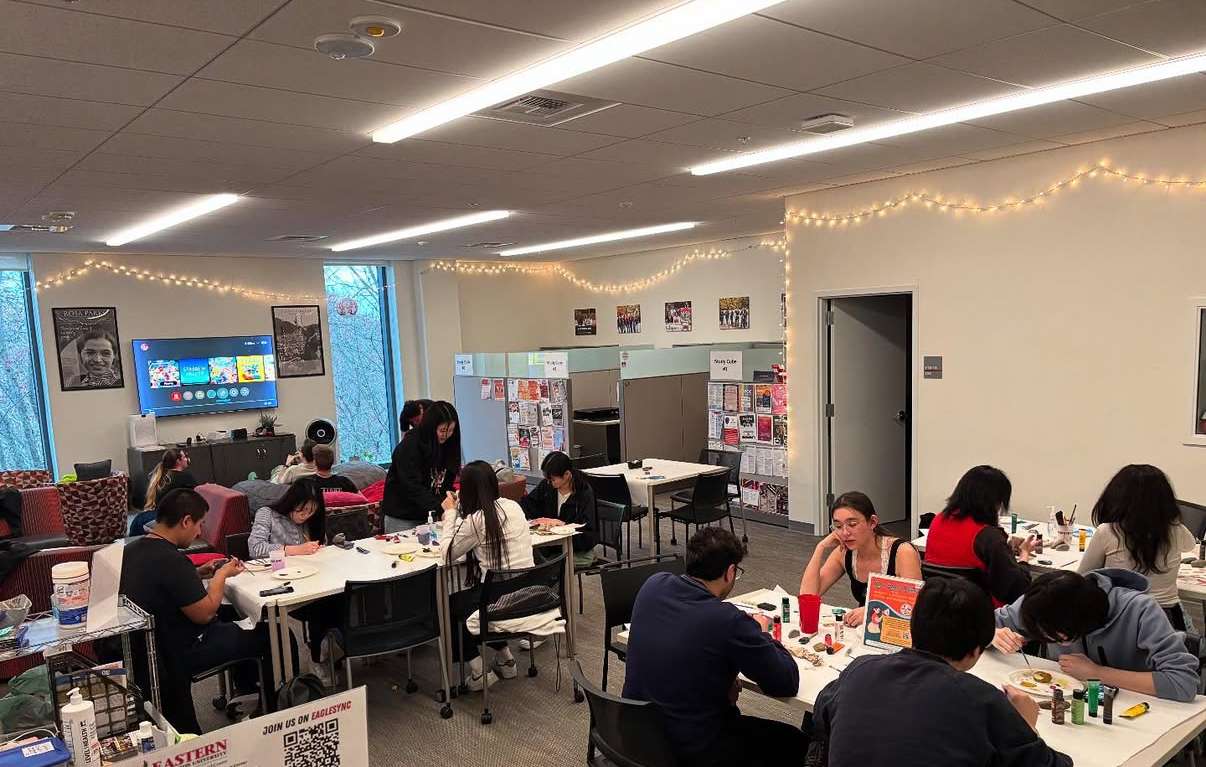
The Rev. Damian Carruthers, who moved to the United States from Germany in 2022, operates an interfaith ministry at EWU. The group, Seed Ministry, hosts weekly events for students of various Christian denominations.
“Our expectations are that if you have a conversation, it has to be non-violent and it has to be open-minded and has to be loving,” he said. “I feel like we need to be exposed to different views and different thinking approaches, especially when you’re in a small group.”
While no international students currently attend the ministry, Carruthers said the project has illuminated contrasts between European and American Christianity.
He said churches here are generally less collaborative than those in Germany. Many of his attempts to create a network with pastors from other denominations have been unsuccessful.
“American Christianity — that doesn’t matter if you’re more liberal or more conservative — has become very individualistic,” he said. “There’s not much desire to work together with other churches or other believers.”
Faith and nationalism
Rising associations between Christianity and patriotism may contribute to the isolation of minority religions in the United States. In 2022, the Pew Research Center found that 62% of American Christians believe the United States “should be a Christian nation.”
“As someone who grew up in Germany and learned a lot about the Nazi Germany time, that is very scary to me, and very toxic how churches embrace patriotism and nationalism,” Carruthers said.
Leaders on campuses throughout the Inland Northwest have worked to create safe spaces despite a challenging political climate. Travel bans, visa revocations and fear of deportation have caused international student arrival in the U.S. to drop 19% as of this fall semester.
For Pandey, safeguarding student rights is a matter of faith. He believes the teachings of the Bible support social justice and civil rights policies.
“International students and the immigrant community are really asking the faith leaders in their community to step up and articulate their faith in terms of federal policy,” Pandey said. “They can be a healing force and a voice for justice right now.”
This story was generously funded by a grant from Humanities Washington.

Never miss a story. Get the top headlines, breaking news, commentaries, and handpicked favorites delivered straight to your inbox every morning. Subscribe to our quick, free and informative FāVS News Daily Newsletter.

