

- You’ve been leading FāVS News for nearly 15 years now, what inspired you to begin the publication and what drives you to lead it now to this day?
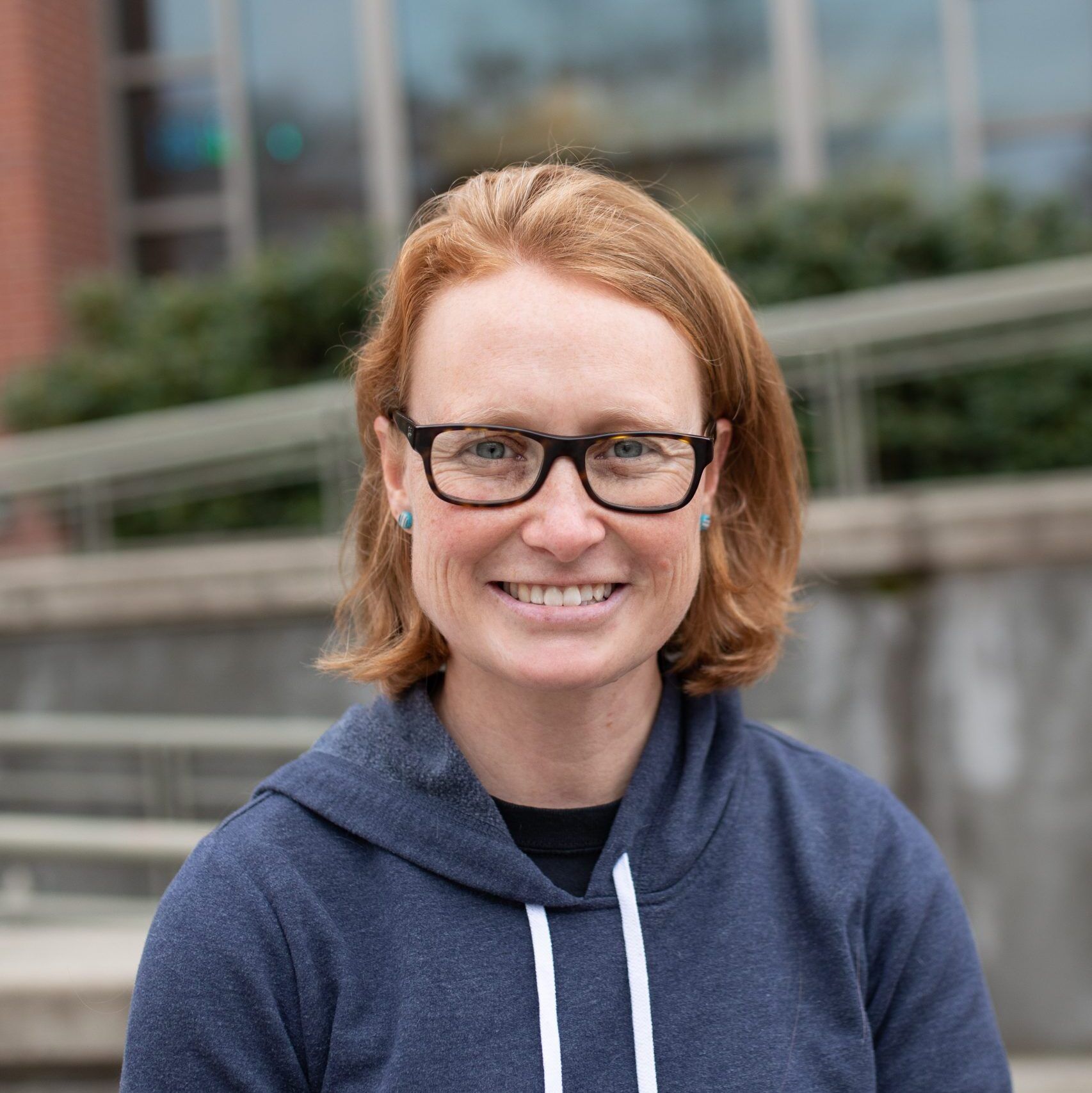
I started FāVS after launching my first digital publication in Connecticut, where I covered religion as an independent journalist. That publication took off, and the Religion News Foundation purchased it with the goal of expanding the model to other communities across the country — and that’s what brought me to Washington. I have family on the West Side, but I chose Spokane specifically because of its remarkable density of houses of worship, and because of Gonzaga and Whitworth, two faith-based universities that make this city such a rich environment for this kind of journalism.
What keeps me going is that I see that it makes a difference. FāVS brings people together and helps them learn about one another. It genuinely breaks down barriers and builds understanding across communities. After nearly 15 years, I still believe that what we’re doing is fostering real religious literacy — and that feels as important now as it ever has.
- Explain your passion and interest in religion and ethics news? Why is it so important, and why does it need to be covered?
For me, this work is deeply personal. I grew up in a cult in New Mexico and witnessed firsthand the harm that isolation and indoctrination can cause. That experience left me hungry to understand the world beyond what I’d been taught — I wanted to know about my Hindu neighbors, my Native American classmates, the countless traditions and worldviews I’d never been allowed to explore. I’m so grateful I followed that curiosity, because it’s what ultimately helped me leave my childhood religion and open my mind to something much larger.
That personal journey is also why I believe this beat matters so much. Religion shapes how people vote, how they raise their children, how they treat their neighbors and strangers. When journalism ignores faith, it misses one of the most powerful forces in human life. Coverage that’s done with care and curiosity — not sensationalism — can foster the same kind of understanding that changed my own life.
- How has reporting on religion and ethics news changed since FāVS News was founded?
There’s been a noticeable surge of interest in the beat. Publishers statewide — and even in Idaho, where we’ve built strong media partnerships — are recognizing that religion and ethics coverage is no longer a niche concern. Much of that renewed interest stems from the rise of Christian nationalism and an increasingly polarized political climate, both of which have made faith a central story in American public life. But beyond the headlines, there’s also something more hopeful happening: readers seem genuinely curious about “the other” — about understanding belief systems and communities different from their own. That’s always been the heart of what FāVS does, and it’s gratifying to see the wider journalism world catching up.
- What are some of the biggest trends or storylines in religion and ethics news occurring right now that FāVS News is covering? Are any of those trends or events impacting the way FāVS News covers current events?
The religion and ethics beat is busier than ever. Christian nationalism remains one of our biggest ongoing stories, particularly given what’s happening in nearby Moscow, Idaho, and in the state legislature, where faith and policy are increasingly colliding. But we’re also covering the broader landscape of belief in America — declining church attendance, shifting denominational trends, and the growing population of the religiously unaffiliated. The “nones” — atheists, agnostics and humanists — don’t necessarily reject values and ethics, they just practice them outside traditional religious structures, and that’s a story worth telling too.
At the same time, some of our most meaningful coverage captures the beauty of interfaith community. A recent example is our story on Spokane residents gathering to honor a group of Buddhist monks who completed a 2,300-mile peace walk from Texas to Washington, D.C. About 200 people turned out for a local celebration walk through downtown — a reminder that faith, at its best, draws people together across traditions.
As for how these trends shape our editorial approach, we’re very intentional about how we cover Christian nationalism in particular. The community deserves to know what’s happening — it has to be reported — but we’re careful not to amplify every development and inadvertently give the movement a platform it hasn’t earned. It’s a balance we think about constantly.
FāVS News uses professional journalists and thoughtful commentary to explore faith, values and ethics. Support journalism like this by making a tax-deductible donation. FāVS is a 501(c)(3) nonprofit.

