

What’s the process for choosing a new pope?
Commentary by Kathy and Mitch Finley | FāVS News
As we hear updates on Pope Francis’ health, we hope that he will be able to fight off the infections that have plagued his body. But what if he isn’t able to do this? What happens when a pope dies or resigns? What is the process that gives the Roman Catholic Church a new leader?
Those who have seen the film “Conclave” (recently written about by fellow FāVS columnist Becky Tallent) have a fairly accurate — if overly dramatic — understanding of the process that gives the church a new leader.
To be sure, the process that leads to the appearance of a new pope has not always looked like it does today. Indeed, some popes were saints while others were major league sinners. The surprisingly collegial process has been honed through the centuries and refined further in the last decades of the 20th century.
At the death of a pope, a conclave is announced. This is a closed meeting — literally “with a key” — which must begin between 15 and 20 days after the pope’s death. It includes all the cardinals who are currently under the age of 80, usually about 120 of them. The college of cardinals, as they are called, have been chosen by popes through the years to help and advise them in governing the church.
One cardinal, named a dean, who has been chosen by election, convenes them as they gather from all over the world. After some preliminary sessions, including taking oaths of secrecy, they are locked in with a small support staff until a new pope is chosen. Participants may only leave for severe health reasons, and the process continues in their absence.
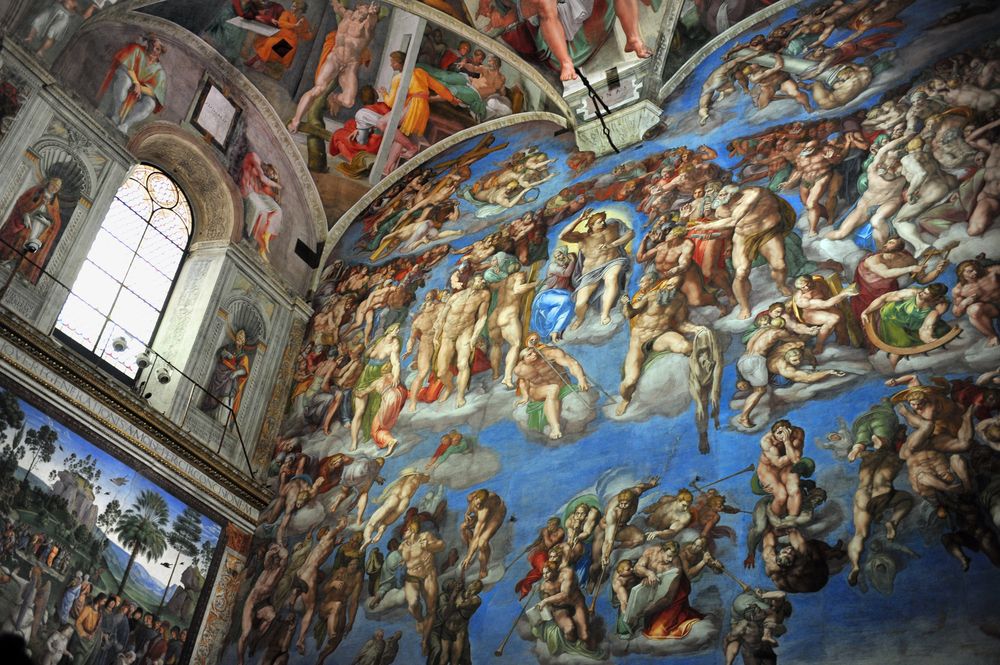
As well as a great deal of prayer, the conclave involves voting, held in the Sistine Chapel. The usual manner of choosing is through secret ballots, twice a day, until there is a vote of two-thirds plus one. Votes that are inconclusive are burned each time with straw and chemicals, producing dark smoke, which indicates to those waiting that no decision has yet been reached.
When the choice is conclusive, through a majority vote, or at times by acclamation, the ballots are burned without straw, producing white smoke and announcing that, “We have a pope!”
At that point the conclave is over, and the new pope is soon installed.
The views expressed in this opinion column are those of the author. They do not necessarily reflect the views of FāVS News. FāVS News values diverse perspectives and thoughtful analysis on matters of faith and spirituality.


