

Listen to the audio version of this article (generated by AI).
Sponsored Content
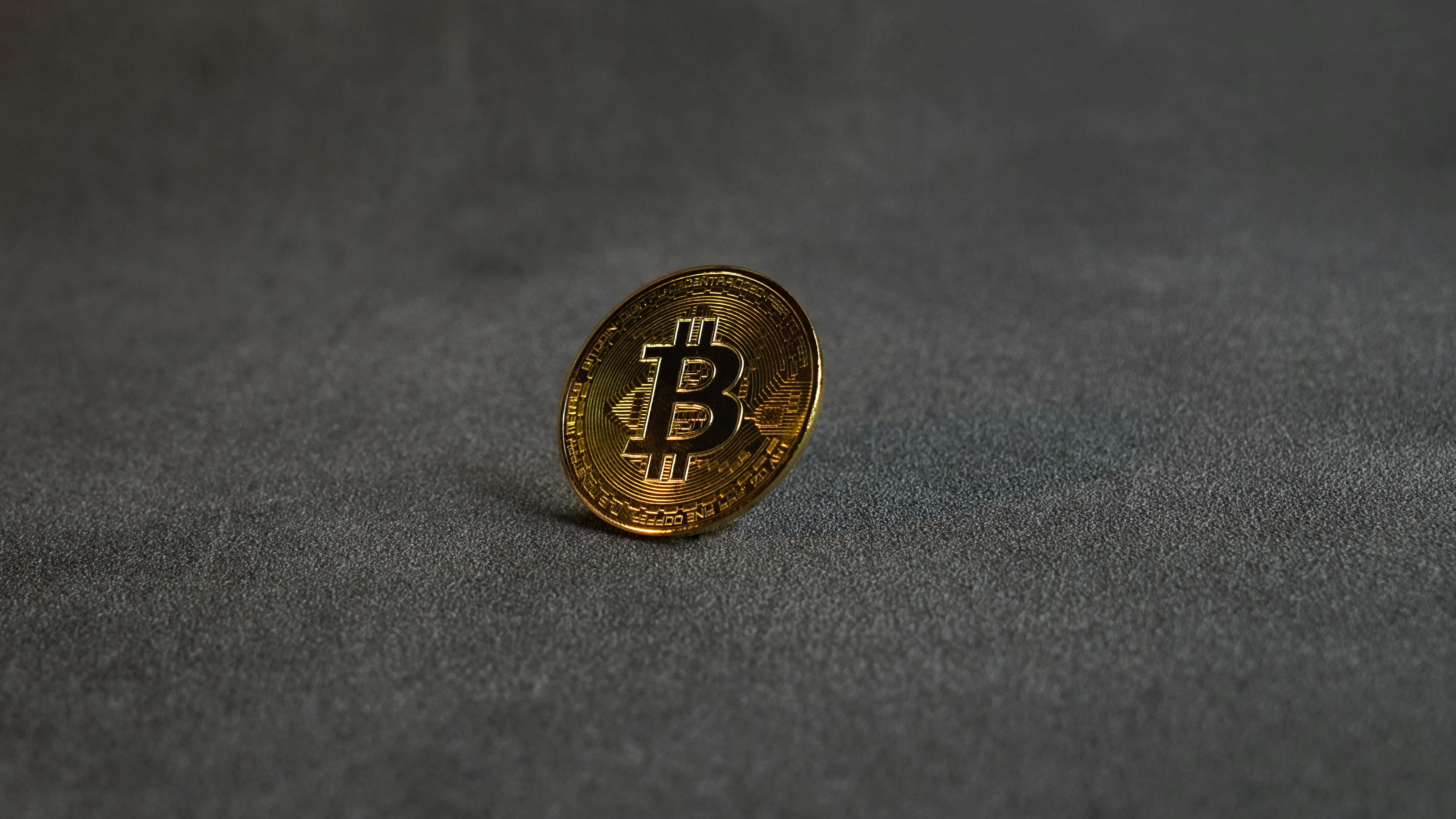
Bitcoin has reached lengths we’ve never imagined. Eighteen years ago, Satoshi Nakamoto launched an experiment to prove that money goes hand in hand with freedom, and we really don’t need banks anymore. He gave us trust, scale, and value (or liquidity). Bitcoin wasn’t well-received, with people going so far as calling it a scam. But a few had faith in blockchain technology. What we’re seeing now is a recognition among businesses that cryptocurrency isn’t a short-term fad. Anyone can buy Bitcoin, either from an exchange or another user, and that helped push its price higher, but its popularity is what encouraged firms to offer new investment.
Bitcoin is now part of our lives, but as much as it brings us together, it accidentally causes strife, and some folks think it’s best to just distance themselves instead of having an open and honest conversation. And who can blame them? The way holders talk about Bitcoin – it’s almost like a religion to them. Well, cryptocurrency has many of the same effects (psychological, social, and cultural) on its users, and the overlap isn’t the issue – confusion, pessimism, and defamation are. Either way, we should just try to enjoy the blessing it is.
Bitcoin Has Vocal Advocates Who Work Tirelessly To Guarantee Its Success
Bitcoin’s creator, who simply vanished into thin air in 2010, wanted to make it possible for us to pay back a friend or shop locally (milk, vegetables, meat, etc.) without having to use a bank transfer. Nakamoto reckoned person-to-person transactions could help us take control of our finances. Bitcoin works just like money, but it doesn’t depend on trust, and it makes sense to think of it as a special kind of IOU: one that’s widely accepted. Cars, tech products, jewelry, digital subscriptions, and insurance are just some of the things you can buy.
Looks like people who have Bitcoin don’t treat it as a medium of exchange but as an investment that can help them deal with whatever life throws their way and protect the future they’ve built for their loved ones. Influencers turned financial advisors, entrepreneurs, and everyday people are going out of their way to spread the love. Some think that Bitcoin is the one and only cryptocurrency. Others not so much. To make sure we’re on the same page, Bitcoin is neither Christian, Jew, Muslim, nor Hindu; it’s just a technology that makes it difficult for bad actors to modify or manipulate it.
Even the house of God accepts Bitcoin to diversify funding sources, keep the youth engaged, and take advantage of any tax benefits it can. True Hope Church, Union Gospel Mission, and SOZO Church are just some of the organizations in Spokane that have signed up for Engiven to allow donors to give more to charity. Crypto donations exceeded $100 million last year. It’s not just about being generous. But about multiplying your impact, which is incredibly important if you want to be a good person.
In Light Of This, We Can’t Help But Wonder If Bitcoin A Fandom Or A Modern Religion
People fight over Bitcoin the same way they fight about books, movies, and music – in other words, as if it’s the most important thing in the world. It provides a sense of belonging and helps them express themselves more freely, not to mention that cryptocurrency is fun for those who love exploring NFTs or metaverse games. Bitcoin is powerful, almost spiritual. Whether or not it’s a religion, it’s hard to say, but something keeps pulling us toward it, and at times, it can feel a lot like participating in a worship service. Think for a second about the vocabulary choice: commitment, spirit, sacrifice, and celebration, to name just a few.
When it comes down to religion, 99% of people don’t know what they’re talking about. That’s what academic Paul Griffiths argues in Religious Reading, where he closely examines how religious practitioners decode sacred texts – not for information, but as a transformative, life-changing practice. Revenons à nos moutons, religion lacks a precise, clear, or specific meaning. If you look up the word in the dictionary, you’ll see a slew of definitions that contradict each other, some highlighting belief in a higher power, and others describing it as a moral or cultural system.
You can think of religion as an interest, a belief, or an activity. Scholar Russell McCutcheon argues – and I tend to agree – it doesn’t really matter what religion is or isn’t, but who’s using a definition to decide what counts as normal or acceptable. There are no gods associated with Bitcoin. But its users genuinely believe decentralized technology can solve financial and political issues one day, and they can’t stop talking about cryptocurrency. It occupies people’s lives the same way religion does.
Wrapping It Up, How You Interpret It Is Completely Up To You
“Bitcoin is a religion” is a claim that needs to be supported by evidence, not just said out loud, and honestly, we haven’t seen any. Bitcoin proponents have wholeheartedly embraced this label and even use religious language to draw attention to certain aspects of their culture and, of course, make it appear normal. But the loudest voices don’t speak for the majority. People choose their own beliefs instead of aligning themselves with a particular religion. And most view cryptocurrency as a technology or an investment; the last thing they want is to be viewed as fanatics or not making sound choices.
We’re buying into Bitcoin for different reasons. Though there’s no hard data about its reach in faith-based communities, we can sense something isn’t right even without seeing it. More people experiment with digital tools when it comes to supporting their favorite cause or launching community projects. They’re happy Bitcoin exists. If you, too, want to join the movement, install a wallet on your computer or phone and generate your first Bitcoin address, which allows you to send and receive money. Bitcoin obviously has some staying power, but I don’t know if we can really talk about centuries here.
