

Listen to the audio version of this article (generated by AI).
Sponsored Post
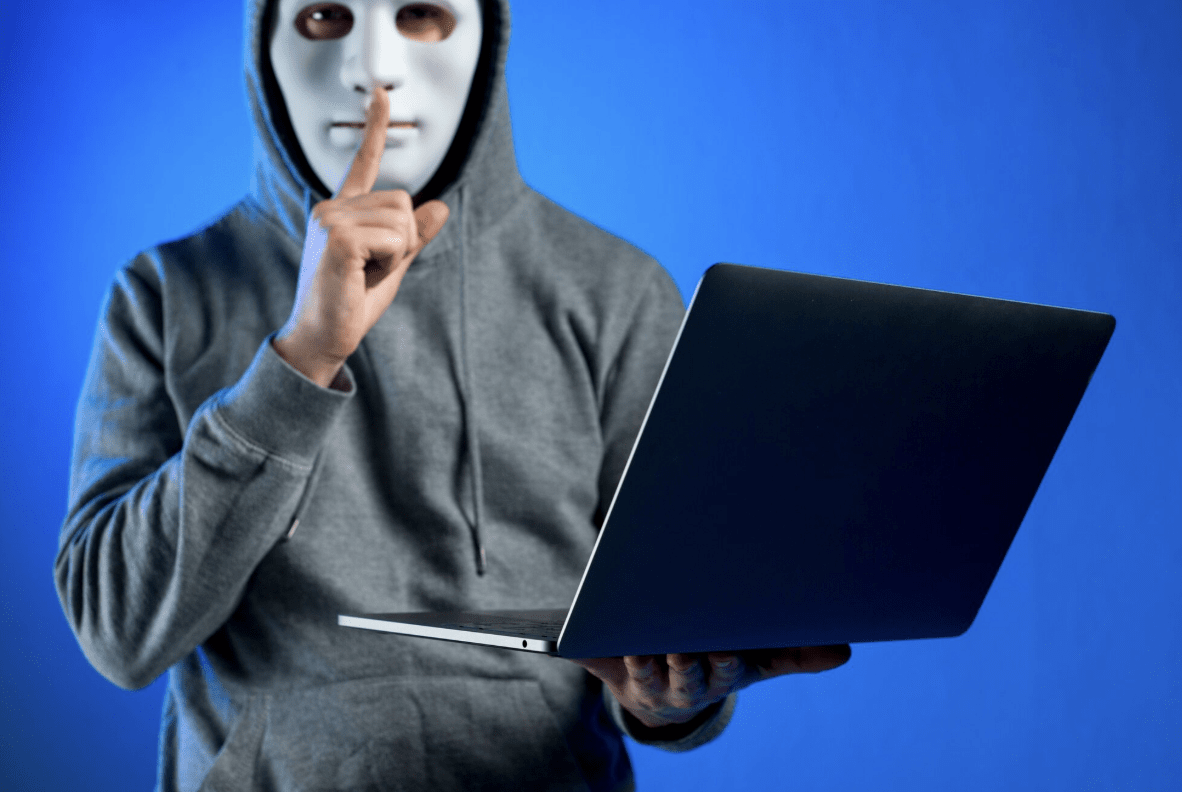
Most ethical frameworks rest on a single uncomfortable assumption: that someone is watching. When that assumption disappears, behavior changes, and not always in the direction anyone would be proud of. The question used to be abstract. Five billion people navigating online spaces daily made it very concrete.
The Gap Between Public and Private Selves
Researchers at the University of Queensland published findings in 2024 that put a number on something most people already sense. People who actively sought online anonymity showed a weaker sense of personal identity compared to those who did not. Not a split between their online and offline selves. A fuzzier sense of who they are altogether. That detail is uncomfortable.
Psychologists call the broader mechanism the online disinhibition effect. People who feel unidentifiable find their usual internal checkpoints quieting down. Some anonymous users become more honest. Some become more aggressive. The determining factor is usually context, not character.
Regulated digital platforms push back against this by removing the anonymity condition at the entry point. The American Luck online casino requires full identity verification before a player deposits or withdraws. The psychological buffer that research links to behavior change disappears at registration. Playing under a real name and verified payment history puts a person in a different mental position than playing under a username with no attachment.
Different environments reward different versions of a person. That is the core of what the research keeps finding, and it has consequences well beyond gaming.
People tend to behave differently when three conditions stack up:
- They believe their actions cannot be traced to them personally
- No immediate social feedback arrives: no visible reaction, no face responding in real time
- The environment applies no weight to their prior behavior or established identity
Reverse any one of those and the behavior usually shifts.
What Faith Has Always Known
Think about what every major religious tradition places at its ethical center. Not “behave well when others can see you.” The principle is older and harder: behave well regardless.
Christianity frames this through conscience and the concept of divine witness. Islam teaches that God observes every action, public or private. Buddhism ties behavior to karma, which operates without an off switch and has no anonymous mode. The language differs across traditions, but the underlying architecture does not.
A few specific contrasts with anonymous digital environments are worth laying out:
- Online anonymity removes social accountability, while most faith ethics place responsibility to others at the center
- Religious practice tends to cultivate internal self-monitoring; digital invisibility works in the opposite direction
- Where the internet treats most users as interchangeable, ethical frameworks across traditions insist on the lasting weight of individual choice
The ethical question anonymous spaces raise is not new. Every tradition above has grappled with it for centuries. What changed is scale.
Identity Verification as an Ethical Mechanism
Regulators worldwide have arrived at the same conclusion through a different path. They now treat identity verification as a baseline requirement for any platform handling real money or vulnerable users.
In 2024, regulators fined gambling companies $184 million globally for failures in identity verification. That number is not about abstract compliance failures. It represents cases where real people accessed platforms they were not supposed to reach, made decisions under false identities, and faced consequences the system existed to prevent.
The problem grew technically harder in 2025. Deepfakes accounted for roughly 1 in 20 failed identity checks globally, pushing operators to add liveness detection on top of document scans.
Verification processes on regulated platforms now typically cover:
- Age and legal eligibility checked against government-issued ID
- Payment method belonging to the verified account holder, not a borrowed card
- A geographic check confirming the player sits within the platform’s licensed jurisdiction
The practical result is a platform where the person present is, to a reasonable degree, actually themselves. That sounds straightforward. Against the backdrop of what anonymity does to behavior, it is a meaningful ethical choice by the operator.
That question “who are you when no one’s watching” has always had a faith answer. It is acquiring a regulatory one too.
