

Listen to the audio version of this article (generated by AI).
When a Phone Number Stopped Being Permanent
Sponsored Content
For decades, a phone number was more than a technical identifier. It was closely tied to a person’s identity, location, and social presence. Once assigned, it often remained unchanged for years.
Today, that assumption is disappearing. Technologies such as eSIM Plus and allow individuals to switch networks, create additional numbers, and manage communications across borders with unprecedented ease. While these innovations offer convenience and flexibility, they also raise important ethical questions about privacy, accountability, and the future of digital identity.
The discussion is no longer only about how mobile technology works. It is increasingly about how it should be used.
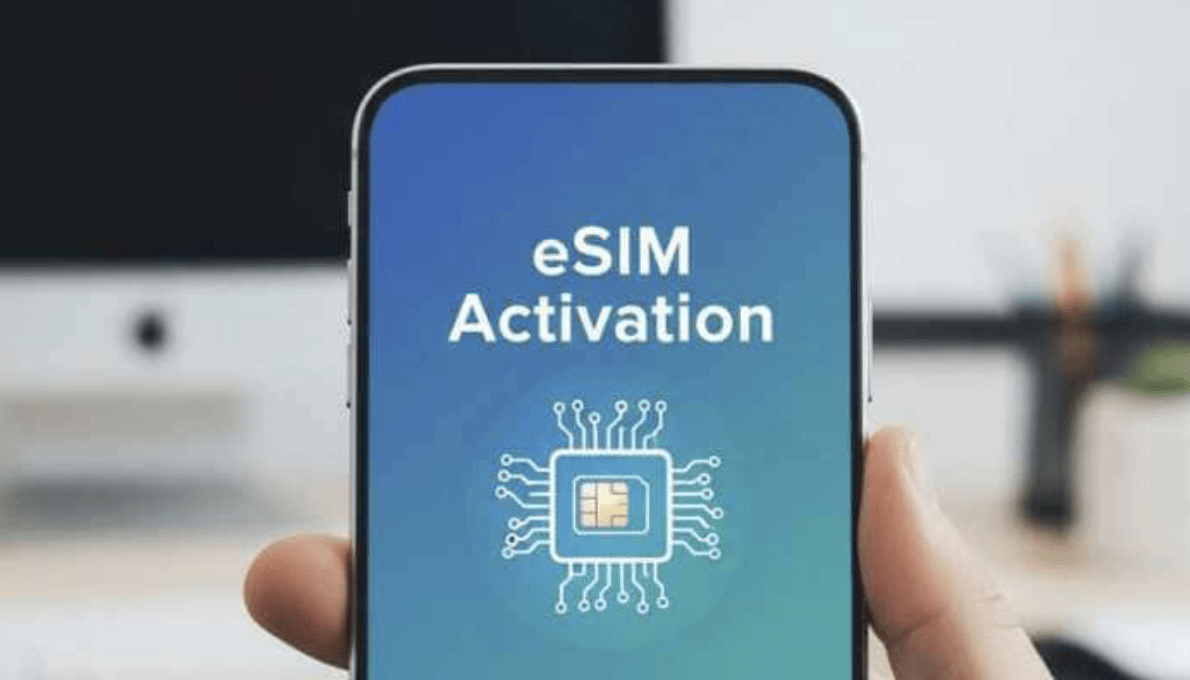
The Ethical Promise of eSIM Technology
An eSIM removes the need for a physical SIM card by allowing users to activate mobile plans digitally. From a practical perspective, this simplifies travel, reduces physical waste, and gives users greater control over their connectivity.
From an ethical standpoint, eSIM technology can be viewed as empowering. It reduces dependence on physical infrastructure and allows people to access communication services more easily, particularly when moving between countries or regions.
At the same time, digital activation creates new questions. If mobile identities can be created, transferred, and managed remotely, who ultimately controls access to them? Users may gain flexibility, but they also become increasingly dependent on telecom providers, digital platforms, and remote management systems.
The ethical challenge lies in balancing user autonomy with institutional control.
Virtual Numbers and the Right to Privacy
Virtual phone numbers take flexibility even further. Unlike traditional numbers linked to a specific SIM card, virtual numbers can operate across devices and locations.
For many people, this technology supports an important ethical principle: the right to privacy. Individuals can choose not to expose their primary phone number when registering for services, communicating with strangers, or participating in online marketplaces.
In a world where personal data is constantly collected and traded, the ability to separate different areas of life can be a powerful form of self-protection.
However, privacy is only one side of the equation.
The same tools that protect users can also be used to conceal identities. Virtual numbers may facilitate anonymous communication, making it more difficult to verify who is behind a particular interaction. This raises concerns about fraud, misinformation, harassment, and other forms of harmful behavior.
The ethical question becomes clear: how can society protect privacy without enabling abuse?
Multiple Identities in the Digital Age
eSIMs and virtual numbers allow people to maintain multiple communication identities simultaneously. A single device may support personal, professional, and international numbers at the same time.
For many users, this separation improves work-life balance and reduces unwanted intrusion. A freelancer can maintain clear boundaries between clients and personal contacts. A traveler can remain connected without exposing a primary number to unfamiliar services.
Yet the existence of multiple identities also challenges traditional notions of accountability.
Historically, phone numbers functioned as relatively stable identifiers. Today, communication can become more fluid and temporary. While flexibility benefits legitimate users, it may also complicate trust in digital interactions.
As digital identities become increasingly modular, societies must reconsider how trust is established online.
Transparency and Informed Consent
Another ethical concern involves transparency.
Many users adopt new communication technologies without fully understanding how their data is collected, stored, or shared. Virtual number providers and telecommunications companies often process large volumes of sensitive information, including call records, messages, and location-related data.
Ethically, companies have a responsibility to ensure that users can make informed decisions. Privacy policies should be understandable rather than hidden behind complex legal language. Data collection practices should be clearly explained, and users should have meaningful control over their information.
Convenience should never come at the expense of informed consent.
The Global Inequality Question
The benefits of eSIMs and virtual numbers are not distributed equally.
Access depends on compatible devices, reliable internet connections, and supportive telecommunications infrastructure. In many regions, users may not have access to the latest smartphones or digital services required to benefit from these technologies.
This raises questions of digital equity. As communication systems become more flexible and software-driven, there is a risk that some populations may be excluded from advantages that others take for granted.
Ethical innovation requires consideration of accessibility, affordability, and inclusion.
Security Versus Freedom
Governments, businesses, and technology providers often face competing priorities. On one hand, stronger identity verification can help prevent fraud and improve security. On the other hand, excessive monitoring can threaten civil liberties and personal privacy.
eSIMs and virtual phone numbers sit directly at the center of this debate.
Should communication systems prioritize anonymity and individual freedom? Or should they prioritize traceability and security?
